The Breakdown
Trend · Retail media keeps spreading
Every retailer wants to be an ad company now
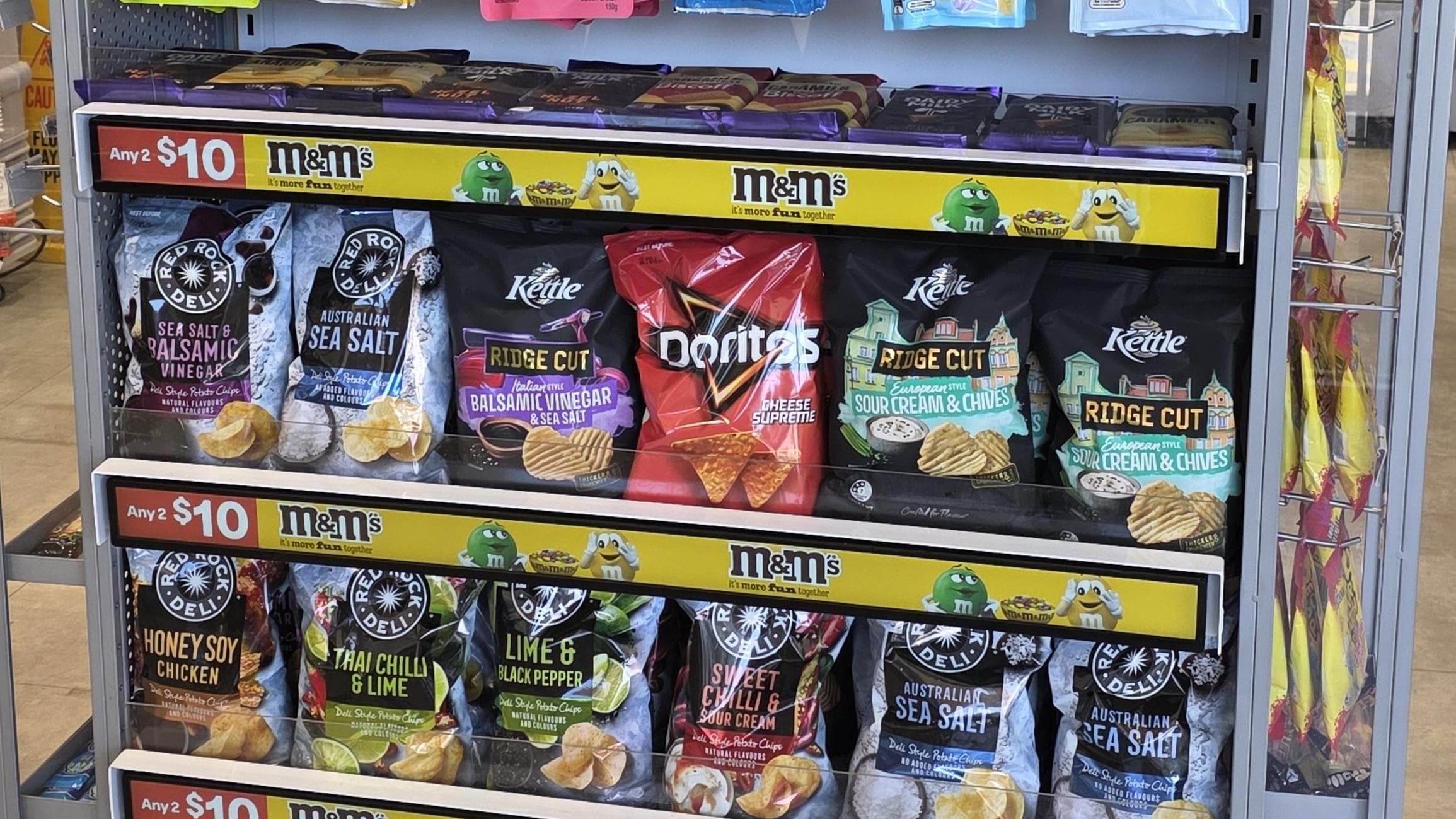
7-Eleven launched its own retail media network in Australia, Kroger showed how AI (artificial intelligence) can predict which creative will convert, and Amazon keeps expanding. Here's why shops are selling ads.
The TL;DR (too long; didn't read)
- Retailers sell ads using their shopper data.
- Brands get closer to the sale, and to measurable results.
- More networks means more complexity to manage.
01
Why retailers love it
Retail margins are thin; advertising margins are high. And retailers own something brands want: data on what people actually buy.
02
Why brands pay
Ads near the point of purchase, plus ‘closed-loop’ measurement: seeing whether an ad led to a sale. Kroger's work with Vidmob even scores creative for likely conversion before launch.
03
The catch
Every retailer has different tools and metrics, and retail media is mostly lower-funnel. It captures demand but rarely creates it, so it shouldn't replace brand building.
Read the original reporting
- 7-Eleven joins the retail media race with Anytime Media network led by Anthony Venuto ↗
Mumbrella · 30 Sept 2026
- Why building a retail media business is less about platforms and more about people, trust and change ↗
Mumbrella · 30 Sept 2026
- How Kroger uses AI and predictive scoring to tie creative to conversion ↗
Marketing Dive · 30 Sept 2026
The theory bit
The academic ideas that explain what's going on, with the full reference for your assignments.
Mental & physical availability
Brands grow mainly by being easy to think of (mental availability) and easy to buy (physical availability) for as many category buyers as possible, not by deepening loyalty among a few.
Here: Retail media boosts physical availability, being seen where people buy, but mental availability still needs broad brand building.
Sharp, B. (2010). How Brands Grow: What Marketers Don't Know. Oxford University Press.
The long and the short of it
Short-term activation (offers, direct response) drives quick sales spikes; long-term brand building (broad-reach, emotional work) drives lasting growth. Their IPA (Institute of Practitioners in Advertising) analysis suggests roughly a 60:40 brand-to-activation budget split as a starting point.
Here: Mostly short-term activation. Balance it with long-term brand investment.
Binet, L. & Field, P. (2013). The Long and the Short of It. IPA.
Over to you
No right answers here. These are to get you thinking. Jot your ideas down or chat them through.
- 1
Where have you noticed ads inside a shop's app or website?
Need a nudge?
Sponsored products, banners.
- 2
Why might a retailer's own measurement be biased?
Need a nudge?
They're selling the ads and marking the homework.
- 3
Would you shift budget from TV to retail media? Why or why not?
Need a nudge?
Short vs long term.
Optional · about 10 minutes
Your mini task
In 60–120 words: you're a snack brand with $50,000. Decide how much to put into retail media vs brand building, justify the split, and say what you'd ask the retailer before spending.