The Breakdown
Mountain Culture Beer Co · Cockatoo cease & desist
Mountain Culture turned a rival's new logo into a free ad for its own mascot
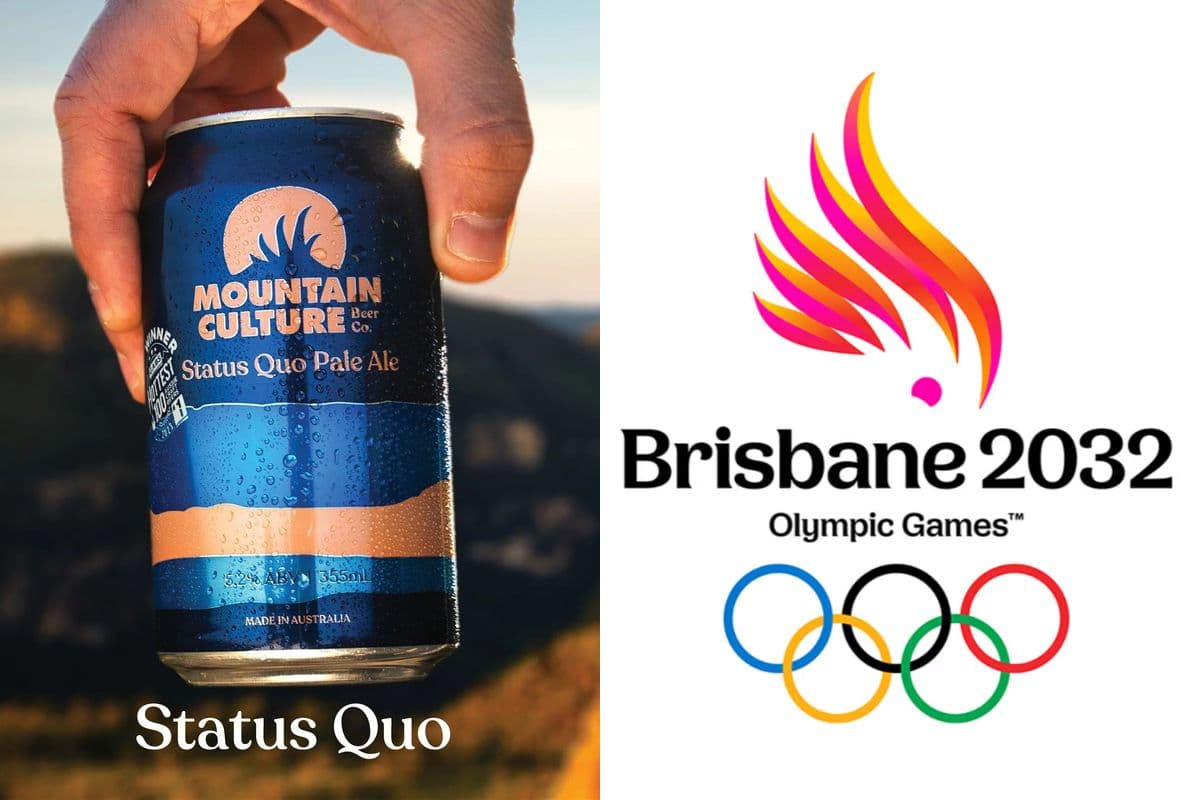
When Brisbane 2032 unveiled a new flaming emblem, craft brewer Mountain Culture didn't buy media time to respond. It posted a mock cease-and-desist letter on Instagram, accusing the Games of stealing its cockatoo.
The TL;DR (too long; didn't read)
- Mountain Culture's Instagram post claims the new Brisbane Olympics emblem's five-pointed, right-leaning crest looks 'an awful lot like' the cockatoo it's used on cans since 2019.
- The joke letter was delivered by a toy 'carrier cockatoo', suggested the Games use an ibis instead, and asked for Olympic tickets in lieu of damages.
- No agency or media spend is mentioned; this is a single branded social post riding on a story everyone was already talking about.
01
Borrowing someone else's headline
Brisbane 2032's new emblem was already being discussed across the industry before Mountain Culture posted anything. Rather than compete for attention with a new idea, the brand attached itself to a conversation that was already happening.
That's the core trick of newsjacking: the audience, and the news hook, already exist. The only job left is writing something quotable enough to get picked up.
02
The joke only works because the asset is real
The gag depends on people already recognising the cockatoo as Mountain Culture's own. If the brand didn't have a distinctive mascot on its cans since 2019, there'd be no claim to make and no joke to land.
That's a reminder that stunts like this aren't really 'free': they're cashing in years of consistent branding that made the asset recognisable in the first place.
03
Built to be quoted, not just seen
Lines like 'we'd also accept tickets' and swapping in the ibis ('bin chicken to its friends') are written for journalists to lift directly into a story, which is exactly what happened here.
There's no mention of reach, shares or sales anywhere in the reporting, so for now this is a cheap, well-executed idea rather than a proven result.
Read the original reporting
The theory bit
The academic ideas that explain what's going on, with the full reference for your assignments.
Distinctive brand assets
Colours, characters, shapes and sounds that people link to only your brand. They help ads get correctly attributed, so the brand (not the category) gets the credit.
Here: The cockatoo only has anything to 'defend' because it's a genuine, recognised distinctive asset; the joke is really a reminder that the asset belongs to Mountain Culture.
Romaniuk, J. (2018). Building Distinctive Brand Assets. Oxford University Press.
Humour in advertising
Humour reliably boosts attention and liking; it works best when it's related to the product rather than a gag bolted on.
Here: The humour is tied directly to the brand's own mascot rather than a generic gag, which research suggests lands better and is more memorable.
Weinberger, M. G. & Gulas, C. S. (1992). The Impact of Humor in Advertising: A Review. Journal of Advertising, 21(4).
Over to you
No right answers here. These are to get you thinking. Jot your ideas down or chat them through.
- 1
Why does this joke only work for a brand with its own recognisable mascot?
Need a nudge?
Think about what would happen if a brand with no consistent visual asset tried the same stunt.
- 2
What makes a line like 'we'd also accept tickets' easy for a journalist to quote?
Need a nudge?
Consider length, tone and whether it needs explaining.
- 3
What would you want to see before calling this stunt a marketing win?
Need a nudge?
Think beyond the trade press coverage: who else saw it, and did it change anything?
Optional · about 10 minutes
Your mini task
In 60–120 words: pick a current news story or rival's announcement and write a short, funny 'reactive' post for a brand of your choice that piggybacks on it, using one of the brand's own distinctive assets (colour, character, slogan, shape) as the joke.